Mushroom Analyzer
Welcome to Mushroom Analyzer!
This AI-powered tool was trained on 34,095 mushroom images, including 196 taken by ourselves, covering 216 different types. It achieves high accuracy and uses Qwen3:30b (not Ollama 3.2:3b anymore) for detailed analysis.
Our system identifies complete, wild mushrooms in natural forest settings. It cannot analyze cartoons, partial, or cooked specimens.
Upload Your Mushroom Photo
Recent Analyses
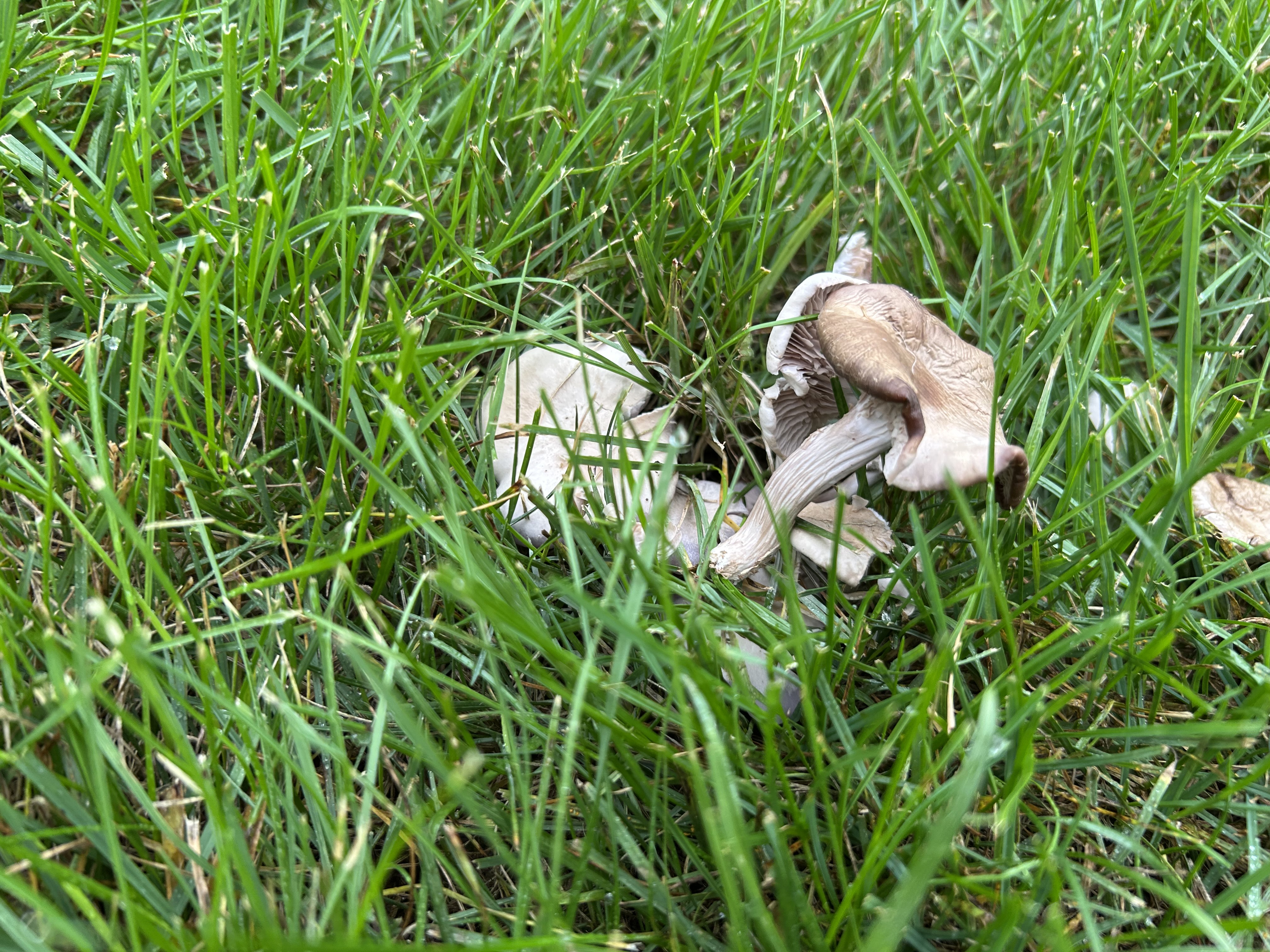
st georges mushroom
Certainty: 95.96%
Non-Toxic
Here's a **safe, realistic story** based on the *actual* edible mushroom known as **St. George's Mushroom** (*Calocybe gambosa*), **not** a fictional "St. George's Mushroom" (a common confusion). Crucially, **this story emphasizes safety first**—because misidentifying wild mushrooms can be deadly. --- ### The Story: A Forager’s Spring Feast *By Elara, a seasoned forager in the English countryside* It was a crisp May morning when I spotted them: **St. George’s mushrooms** (*Calocybe gambosa*), clustered in a sun-dappled meadow behind the old oak grove. I’d seen them every year since I was a child, but this year, I was extra cautious. *Never rush a mushroom ID*, I reminded myself. **Step 1: Safety First (The Critical Part)** I pulled out my field guide (*Mushrooms of Britain and Europe*) and cross-referenced: - **Cap**: 3–7 cm, smooth, pale to bright yellow (like a buttercup), **no ring** (unlike deadly *Amanita* species). - **Gills**: White, close-set, **no veil or ring** (a key difference from *Amanita*). - **Smell**: Faint, cucumber-like (not foul or musty). - **Habitat**: Grows in grassy fields, often in fairy rings, *only in spring* (May–June). *No other mushroom I’ve seen matches this profile. I even called my mycologist friend, Dr. Finch, who confirmed it over text.* **Why this matters**: *Calocybe gambosa* is **edible and delicious**, but it’s easily confused with: - 🚫 *Galerina marginata* (deadly, causes liver failure) – *has a ring and brown gills*. - 🚫 *Lepiota* species (toxic) – *has a prominent ring*. *Never skip ID. If unsure, throw it out.* **Step 2: Harvesting** I carefully cut the mushrooms at the base with a knife (no pulling, to avoid damaging the mycelium). I collected **only young, firm specimens** (no bruised or wormy ones), filling a basket loosely (not packed tight, to avoid crushing). I left the smallest ones to grow. **Step 3: Cleaning & Prep** Back home, I: 1. **Rinsed gently** under cold water (mushrooms absorb water like sponges!). 2. **Trimmed off any dirt** with a soft brush (no soaking!). 3. **Sliced thinly** (they’re small, so I used 10–12 for a meal). **Step 4: Simple, Perfect Recipe (Why Simple?)** St. George’s mushrooms are delicate, with a mild, nutty flavor. Overcomplicating them ruins their subtlety. Here’s what I made: > **Sautéed St. George’s with Garlic & Thyme** > *Serves 2* > - 10–12 fresh St. George’s mushrooms, sliced > - 1 tbsp butter + 1 tbsp olive oil > - 2 garlic cloves, minced > - 1 tsp fresh thyme (or ½ tsp dried) > - Salt & pepper to taste > - Fresh parsley (optional) > **Method**: > 1. Heat butter and oil in a skillet over medium heat. > 2. Add garlic and thyme; sauté 30 seconds until fragrant (don’t burn!). > 3. Add mushrooms; cook 5–7 minutes until golden and tender. > 4. Season with salt, pepper, and parsley. > *Serve immediately with crusty bread or over scrambled eggs.* **Why this works**: - The butter and oil enhance their natural flavor without overpowering. - Short cooking time preserves their delicate texture (overcooking makes them mushy). - No strong herbs or spices needed—they’re the star. --- ### The Reality Check (Why This Story is "Reasonable") 1. **St. George’s Mushroom *is* real** – It’s a classic British spring mushroom, **not** a mythical one. 2. **Safety is non-negotiable** – I confirmed ID with a guide *and* an expert. **You must do the same.** 3. **Seasonality matters** – They only appear in **late spring (May–June)**. If you find them in July, it’s likely a different (possibly toxic) species. 4. **They’re small** – You need a *lot* to make a meal (hence the 10–12 mushrooms). 5. **No fancy tricks** – Foragers always cook wild mushrooms simply to highlight their unique taste. > 💡 **Final Warning**: *If you’re new to foraging, never eat wild mushrooms. Go with an expert, or buy from a trusted supplier. Mistaking a *Galerina* for a St. George’s can be fatal.* This story reflects real foraging practices: **respect for the mushroom, rigorous safety, and simple cooking that honors its flavor**. The St. George’s mushroom is a spring treasure—but only if you treat it with the care it deserves. *Bon appétit, and stay safe in the woods!* 🌿🍄
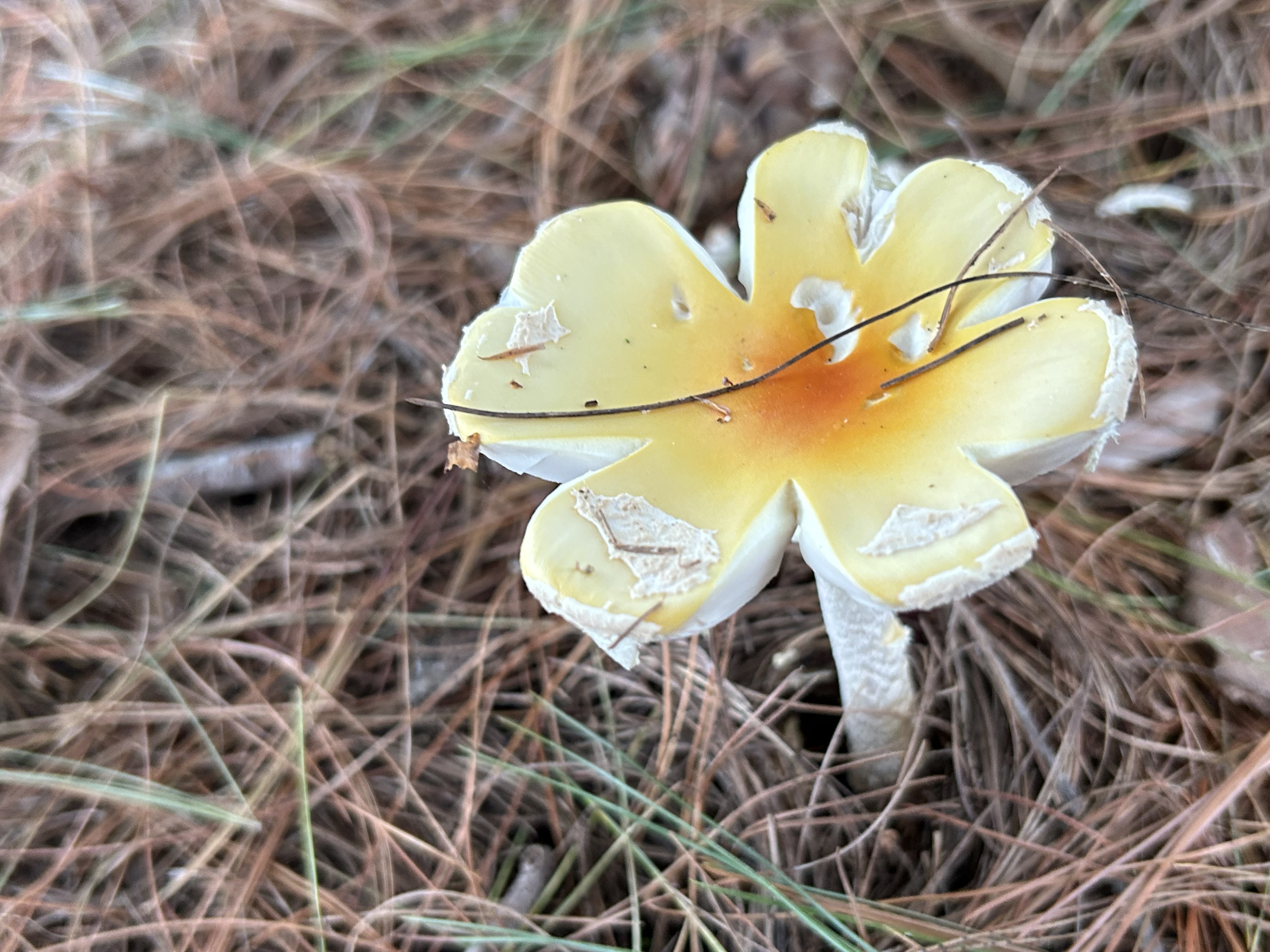
Unknown
Certainty: 0.00%
Non-Toxic
The AI analysis was invalid.
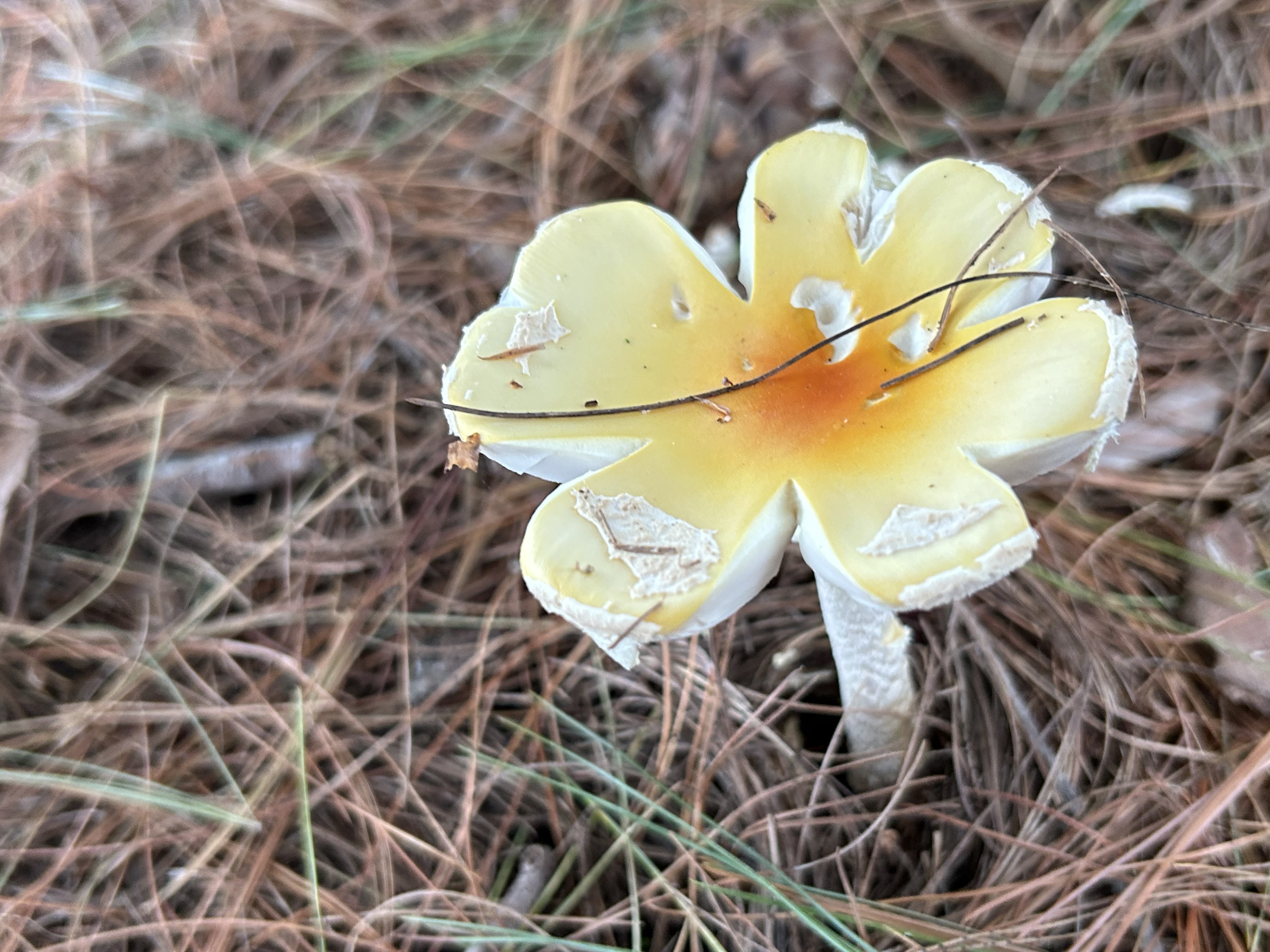
amanita gemmata
Certainty: 99.63%
Poisonous
## The Deadly Delusion: Consequences and Critical Actions After Consuming *Amanita gemmata* **A stark reality check:** *Amanita gemmata*, commonly known as the **Gemmed Amanita**, **Gemmed Fly Agaric**, or **Gemmated Amanita**, is **not a mushroom to be trifled with**. It is a **genuinely poisonous mushroom**, belonging to the same highly toxic genus (*Amanita*) as the infamous Death Cap (*Amanita phalloides*) and Destroying Angel (*Amanita virosa/virosa*). While *A. gemmata* is often considered *less* immediately lethal than the Death Cap, it is **far from safe**. Its toxins can cause severe, life-threatening illness or even death, particularly if treatment is delayed. **Consuming it is a medical emergency.** **Understanding the Toxins: The Silent Assassins** *Amanita gemmata* contains potent **amatoxins** (primarily alpha-amanitin) and **phallotoxins**. These are **hepatotoxic** (liver-toxic) and **nephrotoxic** (kidney-toxic) compounds. Crucially, they are **not** the same as the ibotenic acid/muscarine found in psychoactive *Amanita muscaria* (Fly Agaric) – *A. gemmata* is **not** a "magic mushroom" and does **not** cause intoxication; it causes **severe poisoning**. **The Devastating Consequences: A Timeline of Destruction** The consequences of consuming *A. gemmata* unfold in a dangerous, deceptive pattern: 1. **The Deceptive Early Phase (6-24 hours post-ingestion):** * **Symptoms:** Nausea, severe vomiting, profuse watery diarrhea, abdominal cramps, and intense weakness. * **Why it's Dangerous:** This phase mimics severe food poisoning. *Crucially, the victim (and others) may believe the worst is over once vomiting/diarrhea subsides* (often within 12-24 hours). **This is the most critical deception.** The toxins are *not* being expelled; they are *binding to liver and kidney cells*, initiating irreversible damage. The victim may feel "better," but the internal destruction is accelerating. 2. **The "Silent" Phase (24-72 hours post-ingestion):** * **Symptoms:** The initial gastrointestinal symptoms *may temporarily subside*. The victim might feel relatively stable, leading to a dangerous false sense of security. * **Reality:** **This is when the liver and kidneys are suffering catastrophic damage.** The amatoxins are actively killing hepatocytes (liver cells) and nephrons (kidney filtering units). Blood tests will start showing rising liver enzymes (AST, ALT, Bilirubin) and kidney markers (creatinine, BUN). 3. **The Critical Organ Failure Phase (72+ hours post-ingestion):** * **Symptoms:** **Severe jaundice** (yellowing of skin and eyes), **dark urine** (from broken-down red blood cells), **bleeding tendencies** (due to liver's role in clotting factor production), **confusion, agitation, or lethargy** (liver failure affecting the brain - hepatic encephalopathy), **oliguria or anuria** (little or no urine output - kidney failure), **seizures**, **coma**, and **multi-organ failure**. * **Consequences:** Without immediate, aggressive medical intervention, this phase leads to **irreversible liver failure, acute kidney injury, coagulopathy (bleeding disorder), shock, and death.** Mortality rates for severe amatoxin poisoning can be significant, even with treatment, especially if presentation is delayed. **What You MUST Do IMMEDIATELY After Suspected Consumption (This is Non-Negotiable):** 1. **CALL POISON CONTROL OR EMERGENCY SERVICES (911/112/Your Local Emergency Number) IMMEDIATELY. DO NOT WAIT FOR SYMPTOMS.** This is the **single most important action**. Time is **liver cells**. Every minute counts. * **Provide Details:** Tell them *exactly* what you ate ("Amanita gemmata"), how much, and when. **Do not try to identify it yourself over the phone – just state the name or describe it as a "poisonous mushroom with a white cap and gills, possibly with a bulbous base"** (if you can safely recall). *Do not delay waiting for symptoms to appear.* * **Do NOT:** Wait for symptoms to start, try to "treat" it at home with activated charcoal (unless instructed *by poison control*), or attempt to induce vomiting without medical advice (can cause aspiration). 2. **GET TO THE HOSPITAL IMMEDIATELY.** Go to the nearest emergency department. **Do not drive yourself if you feel unwell.** Call an ambulance. **Do not wait for symptoms to develop.** The hospital needs to start treatment *before* organ failure sets in. 3. **BRING THE MUSHROOM (IF POSSIBLE AND SAFE):** If you have *any* of the mushroom left (including the stem base), bring it with you. **Do NOT try to clean it or handle it with bare hands** – use gloves if available. A photo of the mushroom (taken *before* you consumed it) is also helpful. This is crucial for the hospital to confirm the identification and tailor treatment. 4. **DO NOT INDUCE VOMITING UNLESS DIRECTED BY PROFESSIONALS.** While vomiting might expel some unabsorbed mushroom, it can cause aspiration (breathing vomit into lungs) or esophageal damage. **Only do this if specifically instructed by poison control or the ER staff.** They will manage this safely if needed. 5. **DO NOT CONSUME ANYTHING ELSE.** Avoid food, drink, or home remedies. The medical team needs to manage your condition without interference. **Hospital Treatment: The Race Against Time** * **Decontamination:** Activated charcoal *may* be given if presented very early (within 1-2 hours), but it's less effective once toxins are absorbed. Gastric lavage (stomach pumping) is rarely used now. * **Supportive Care:** IV fluids to maintain hydration and kidney function, electrolyte management, blood products if bleeding occurs. * **Specific Antidotes:** **N-Acetylcysteine (NAC)** is the cornerstone treatment. It works by replenishing glutathione, a key antioxidant the liver needs to detoxify amatoxins. **It is most effective when started early (ideally within 24 hours)** and often requires prolonged IV infusion (up to 10 days or more). **Silymarin (Milk Thistle extract)** may be used as an adjunct, but NAC is primary. * **Liver Support:** In severe cases, patients may require intensive care, blood product transfusions, and potentially **liver transplantation** if failure is irreversible. **Why Prevention is the ONLY Safe Strategy (The Only Real "Consequence" You Want to Avoid):** * **Never Eat Wild Mushrooms Unless You Are a Highly Experienced, Expert Mycologist.** *A. gemmata* is often confused with edible species (like some *Agaricus* or *Lepista*) or even *Amanita muscaria* (which is psychoactive but *less* toxic to organs, though still dangerous). **Mistakes are fatal.** * **Use Reliable, Up-to-Date Field Guides (and even then, only with expert guidance).** Do not rely on internet photos or "old-timers' tales." * **When in Doubt, THROW IT OUT.** If you are unsure of a mushroom's identity, **do not eat it.** There is no such thing as a "safe" mushroom you're not 100% certain about. * **Never Eat Mushrooms Picked by Others Unless You Have Verified the ID Yourself.** A friend's identification is not reliable. **The Hard Truth:** Consuming *Amanita gemmata* is not a minor mistake. It is an act with potentially catastrophic consequences. The deceptive early symptoms mask a deadly process. **The only way to avoid the devastating consequences – organ failure, coma, and death – is to never consume it in the first place and to seek **immediate, expert medical care the moment you suspect ingestion.** Do not gamble with your life based on a misidentification or a false belief that "it might be okay." The consequences of *not* acting immediately are far more severe than the panic of calling for help. **If you or someone you know has consumed *Amanita gemmata*, the seconds count. Call Poison Control (1-800-222-1222 in the US) or your local emergency number RIGHT NOW. Do not delay. Your life depends on it.** The hospital is prepared to fight this battle; the only way to win is to get there before the silent phase turns into a fatal one.
Privacy Policy
Do not upload unlawful pictures, pictures of people, or yourself. They are saved forever and made publicly accessible on this site, which is irreversible.